
Traditional Braces
Thinking about braces? Mason Dental in Katy can discuss an orthodontic evaluation and help you confirm current provider and treatment availability. Tooth movement requires an individualized diagnosis and ongoing supervision; no particular result or treatment length can be promised in advance.
Traditional braces use brackets and wires to move teeth gradually. They may be considered for crowding, spacing, or bite concerns, but an exam is needed to determine whether braces, clear aligners, another approach, or no treatment is right for you.
Ask Mason Dental which orthodontic services are currently available and who would oversee treatment. The American Dental Association’s orthodontics guide explains the basics.
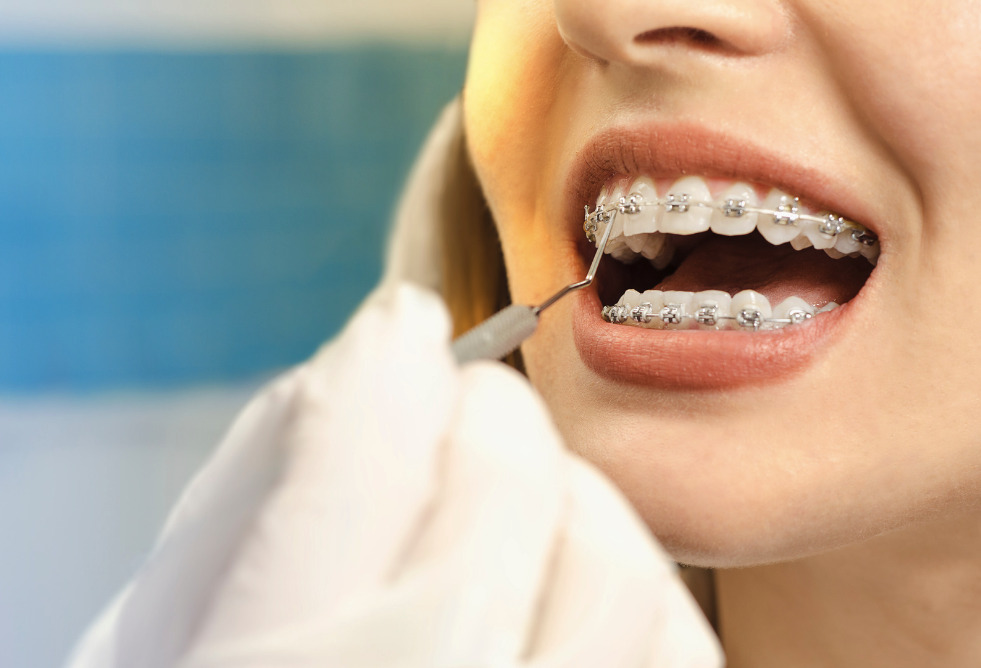
Understanding Traditional Braces
Brackets and wires apply controlled forces that move teeth over time. Treatment usually involves periodic adjustments and careful cleaning around the appliances. Duration, comfort, and the need for additional devices differ by case.
The Importance of Braces: Beyond Aesthetic Enhancement
Correction of Misalignment
Braces can be used to address some forms of crowding, spacing, and bite misalignment. The clinician must evaluate teeth, gums, and jaws to decide what changes are possible and safe.
Improvement of Bite Function
Orthodontic treatment aims to improve how teeth fit together, but the effect on chewing or jaw symptoms varies. Ask which bite issues a proposed plan is intended to address.
Cleaning During Treatment
Brackets and wires can make brushing and cleaning between teeth more challenging. Your dental and orthodontic teams can show you techniques and recommend tools to help protect teeth and gums during treatment.
Individual Goals
Some patients are concerned about appearance or speech, but treatment effects differ by person. Discuss your own goals and any likely limitations with the clinician before starting braces.
What to Expect Before Starting Braces
- Evaluation: A qualified clinician reviews your teeth, gums, bite, and goals. Images or records may be recommended when needed.
- Plan: Ask about braces versus aligners, expected visits, treatment length, fees, and who will supervise care.
- Placement and adjustments: If braces are selected, brackets and wires are placed and checked over time as teeth move.
- Home care: Daily cleaning and regular dental checkups remain important throughout treatment.
- Retention: A retainer is commonly used after active treatment to help maintain tooth positions.
The exact sequence and duration depend on your diagnosis and provider’s plan.

Questions for Mason Dental
- Does Mason Dental currently provide braces at this location, and who supervises treatment?
- What are the alternatives for my bite and alignment?
- What treatment time and visit schedule are estimated for my case?
- What is included in the fee, including retainers and follow-up?
Confirm current provider availability and whether a specialist referral is needed. We do not promise same-day starts or a specific outcome.
Oral Health During Orthodontic Care
Keep routine dental appointments while wearing braces. Brush carefully around brackets, clean between teeth, and follow any food or appliance instructions from the treating clinician. Tell the team about loose components, discomfort, or difficulty cleaning so you can get case-specific advice.
Orthodontic treatment is a process over time, not a one-visit cosmetic fix. The American Association of Orthodontists provides a patient overview.
Ask About Braces in Katy
Mason Dental is at 870 S Mason Rd, Katy, TX 77450. Call (832) 437-5500 or request an appointment online to ask about orthodontic evaluation and current services.
A clinician can explain whether braces fit your needs or whether another option or referral is appropriate.
Payment Options
Find Flexible Payment options that suit your and your family’s needs
Book Appointment
832-437-5500
masondentaltx@gmail.com
870 S Mason Rd, Katy, TX 77450
Monday – Friday: 10AM – 6PM
Saturday: 9AM – 3PM
Closed Sundays