Night Guards
If you wake with jaw soreness or notice worn or chipped teeth, Mason Dental in Katy can evaluate possible clenching or grinding. A night guard may help protect teeth for some patients, but it does not cure every cause of pain or guarantee better sleep.
Teeth grinding and clenching—also called bruxism—can happen during sleep or while awake. It can be associated with tooth wear, sensitivity, jaw soreness, or headaches, but those symptoms can have other causes too. The dentist should examine your teeth and jaw before recommending a guard.
What Is a Night Guard?
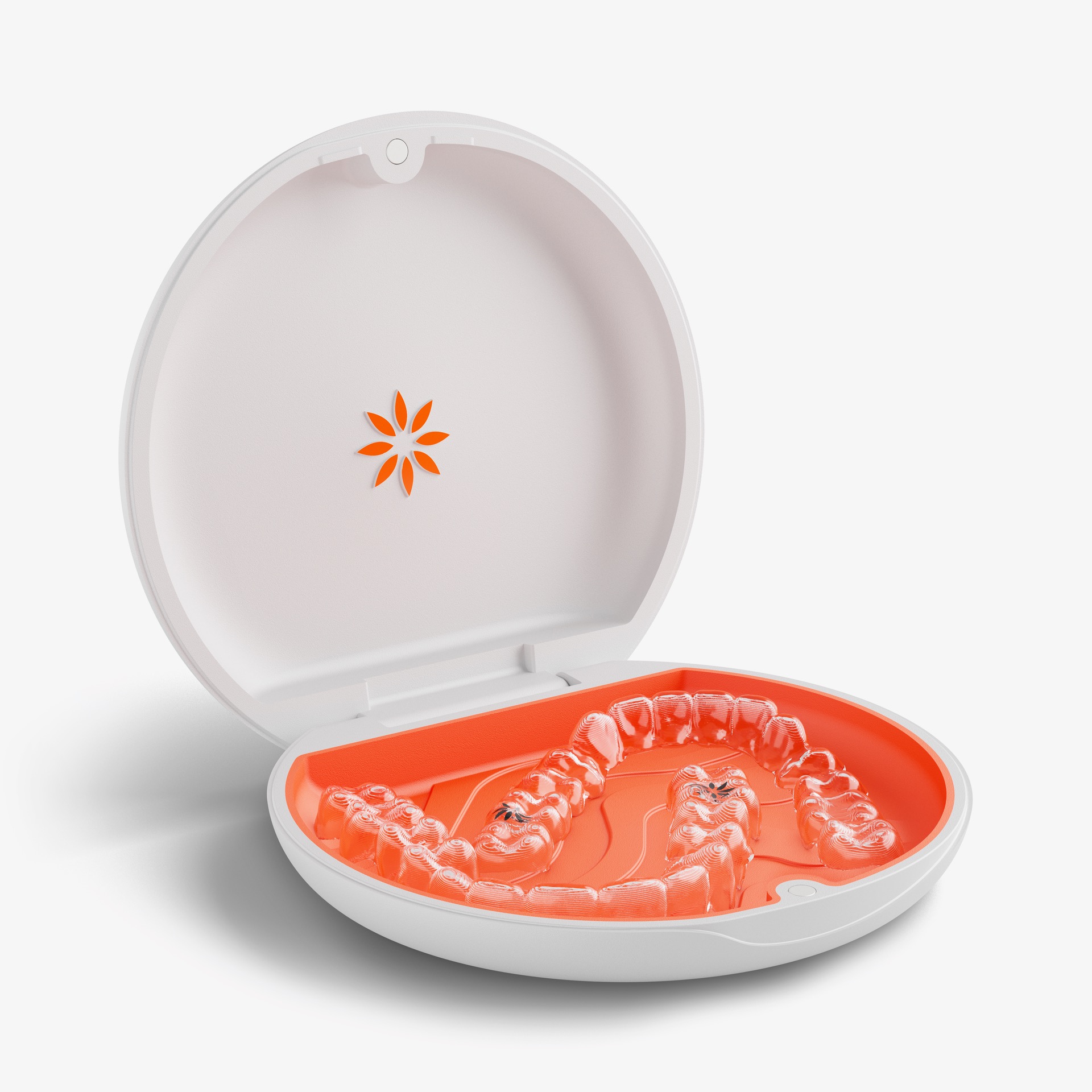
A night guard is an appliance worn over teeth during sleep to help protect them from grinding forces. A custom-made guard may fit more closely than a store-bought product. Ask Mason Dental which guard types are currently offered and how to use and care for one. See the ADA teeth-grinding guide.
What a Guard May Help With
Protection Against Tooth Wear
A guard may reduce direct tooth-to-tooth contact during grinding and help protect against some wear. It cannot prevent every fracture or replace treatment for existing decay, a cracked tooth, or another problem.
Jaw Symptoms Need Evaluation
Jaw pain and clicking have several possible causes. A guard may be useful for some patients, but it is not a guaranteed treatment for TMJ disorders. Tell your dentist about pain, limited opening, or changes in your bite.
Preservation of Existing Dental Work
Grinding may put stress on crowns, fillings, or veneers. A guard can be considered as part of a protection plan, but it does not guarantee those restorations will never wear or fail.
Headaches and Facial Pain
Some people with bruxism also have headaches or facial soreness. These symptoms warrant evaluation because a night guard may not address the underlying cause. Discuss persistent or worsening symptoms with a clinician.
Ask About a Night-Guard Evaluation
Call Mason Dental at (832) 437-5500 to discuss grinding symptoms and appointment availability. An examination is needed before a custom guard can be recommended or made. Same-day appliances and immediate relief are not guaranteed.
Prompt Evaluation and Diagnosis
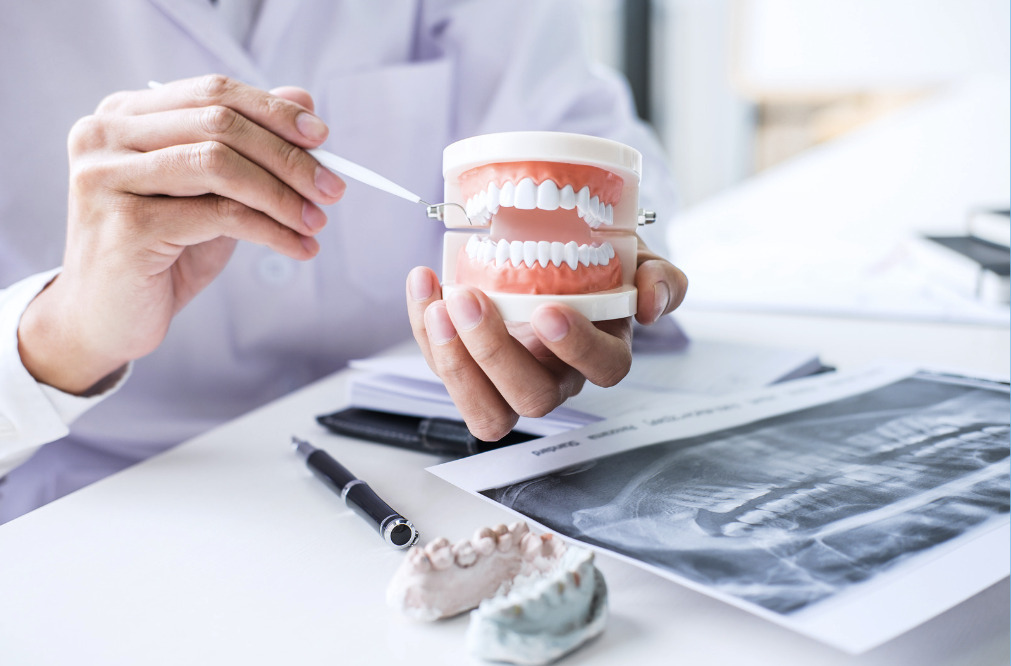
The dentist can examine tooth wear, restorations, bite, and jaw symptoms and ask about when the grinding occurs. Other causes of pain may need separate evaluation.
Efficient Treatment Planning
If a guard is appropriate, ask what type is proposed, how records are taken, how long fabrication may take, what it costs, and how adjustments are handled.
Minimization of Discomfort
A guard may protect teeth from some grinding forces, but it may not stop clenching or resolve all discomfort. Tell Mason Dental if pain persists, worsens, or changes.
Sleep Concerns
Grinding can be associated with sleep-related conditions. A night guard is not a treatment for sleep apnea or a promise of better sleep. Discuss snoring, breathing pauses, or persistent sleep problems with your medical clinician.
When to Contact Mason Dental
Call if you notice worn or chipped teeth, jaw soreness, morning headaches, or a damaged appliance. The team can discuss available evaluation times and whether another type of care may be needed. This page does not promise walk-in treatment or immediate relief.
If a guard causes new pain or changes your bite, stop using it and contact the dentist for advice rather than trying to reshape it yourself.
How a Night Guard Is Planned
- Assessment: The dentist reviews symptoms, tooth wear, restorations, and jaw function.
- Choice of appliance: If a guard is recommended, ask why that design fits your needs and what alternatives exist.
- Records and fitting: Impressions or scans may be used for a custom guard. The dentist checks the fit and makes any needed adjustments.
- Use and follow-up: Follow instructions for wear, cleaning, storage, and review.
Timing and materials depend on the appliance and current services. A guard does not replace evaluation of a painful tooth or jaw.
Questions to Ask About a Guard
- What signs suggest grinding or clenching in my case?
- Could another condition explain my symptoms?
- Which guard type is recommended, and why?
- How should I clean and store it?
- What changes should prompt an adjustment or another visit?
Ask Mason Dental to confirm costs and appointment timing before treatment.
Understanding Limits of Treatment
A night guard may help protect teeth, but it is not a guaranteed cure for headaches, jaw-joint disorders, clenching, or poor sleep. Persistent symptoms may call for additional dental or medical evaluation.
Discuss stress, sleep, medicines, and habits with your clinicians when relevant. The right plan may involve more than an appliance.
Discuss Night Guards in Katy
Mason Dental is at 870 S Mason Rd, Katy, TX 77450. Call (832) 437-5500 or request an appointment online to discuss grinding concerns and whether a night guard may be appropriate.
The dentist can explain options after evaluating your teeth and symptoms.
Payment Options
Find Flexible Payment options that suit your and your family’s needs
Book Appointment
832-437-5500
masondentaltx@gmail.com
870 S Mason Rd, Katy, TX 77450
Monday – Friday: 10AM – 6PM
Saturday: Closed
Closed Sundays